






AgeTech Meets InsurTech
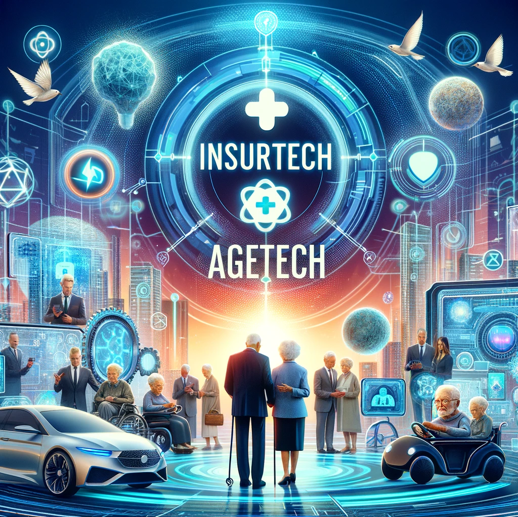
In an ever-changing world, InsurTech is revolutionizing the insurance industry! Insurance may have taken a little longer to catch up with the rest of FinTech, but it is clear that technology now defines the next generation of insurance. The changes affect not only processes and software packages – they are also felt in other fields and industries.
One field that is significantly affected is AgeTech. Until recently, AgeTech was associated mainly with healthcare, with limited technological support. But as things progress, people are starting to examine how technologies – especially artificial intelligence and generative AI – can have a positive impact here too.
The insurance industry is strongly influenced by demographic trends and statistics. In recent decades, life expectancy has risen worldwide thanks to advances in medicine, better living conditions and improved nutrition. Between 2000 and 2019, life expectancy rose by more than 6 years – from 66.8 to 73.4 years. In 1950 it was only 46.5 years! And it is expected to rise to 77.3 years by 2050.
But it's not just about living longer – it's also about living healthier! Healthy life expectancy (HALE) rose by 8%, from 58.3 years in 2000 to 63.7 in 2019. These figures, and many others, are changing the way seniors and their families think about the "golden years." Studies show that more and more seniors prefer to live – and will live – in their own homes, so remote assistance systems need to step up and support them.
Technology is already the game changer!
Technology is advancing rapidly, and new tools, components and methods are being developed to meet the needs of the aging population. This is where InsurTech companies come in, springing up like mushrooms after the rain. They support insurance companies in dealing with rising life expectancy, improving operational efficiency and reducing claims – but above all in accurate pricing, while meeting the growing demands of their older customers.